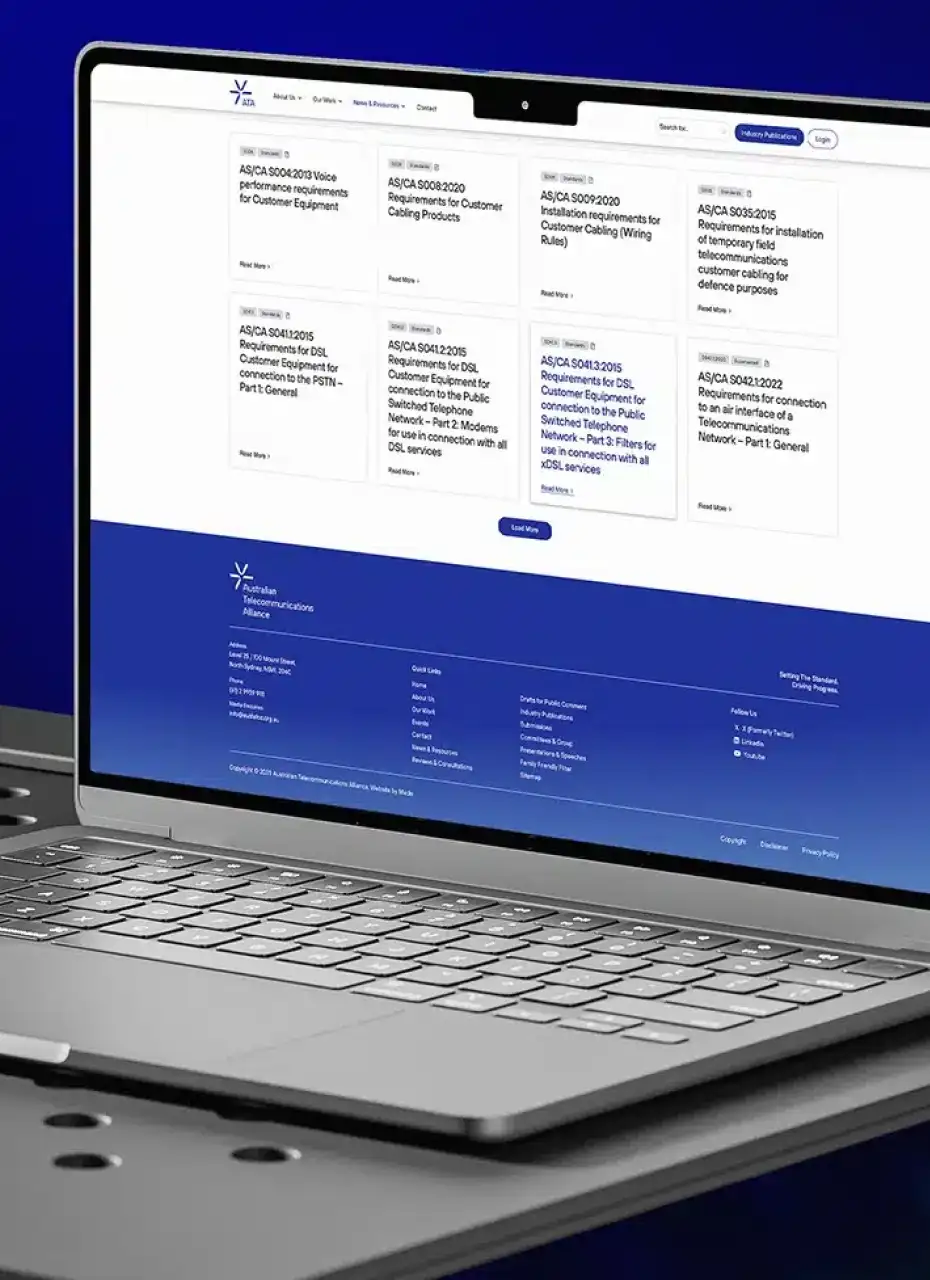
In today’s hyper-connected world, design is no longer just about aesthetics — it’s about responsibility. As we craft visual experiences that shape the way people interact with brands, the question is no longer should we design for accessibility, but how can we not?
Understanding why accessibility matters in graphic design is fundamental to creating work that is both beautiful and meaningful. Inclusive design doesn’t limit creativity — it refines it. It challenges us to think more deeply, communicate more clearly, and ultimately, design for everyone.
Rethinking the Role of the Designer
As designers, we’re in a unique position to break down barriers through visual language. Yet knowing how to make graphics accessible for all users requires more than technical knowledge — it demands intention.
Designing with accessibility in mind means making deliberate choices: colour palettes with sufficient contrast, typography that supports legibility, layouts that accommodate assistive technologies, and visual elements that consider cognitive load. These aren’t constraints — they are design opportunities to create clarity, empathy, and impact.

Defining Accessibility in Graphic Design
Accessibility in graphic design refers to the creation of visual communications that are usable by individuals of all abilities. This extends across digital platforms, print collateral, branding, and user interfaces — and includes:
- High-contrast colour schemes to support those with visual impairments
- Readable typefaces and optimal font sizes for clarity at a glance
- Screen reader compatibility and well-structured content hierarchy
- Minimising motion or flashing elements that may cause discomfort
- Alt text and descriptive visuals that provide context to all users
Designing accessibly ensures your message reaches a broader audience — and is understood by all.
Why Accessibility is the Future of Branding
Accessibility is not a trend; it’s the future of design. Over the next decade, inclusive design will play an increasingly pivotal role in shaping brand identities, digital ecosystems, and customer engagement strategies.
As awareness grows and expectations shift, brands that prioritise accessibility will not only comply with global standards — they will lead with purpose. A commitment to inclusive design reflects a brand’s integrity, innovation, and respect for its audience.

Beyond Compliance: Designing for Experience
Accessibility should never be viewed as a checkbox. At its core, it’s about creating experiences that are intuitive, elegant, and human-centred.
When we design for accessibility, we design for real people — expanding the usability, reach, and emotional resonance of our work. In doing so, we elevate not just function, but the brand itself.
Inclusive Design is Intelligent Design
At Made Agency, we believe that great design doesn’t just look good — it performs, connects, and includes. Inclusive practices don’t dilute brand identity; they sharpen it. They ensure your brand speaks with clarity, purpose, and empathy.
Connect with Made Agency to explore how accessible design can elevate your brand and make a lasting impact — for everyone.